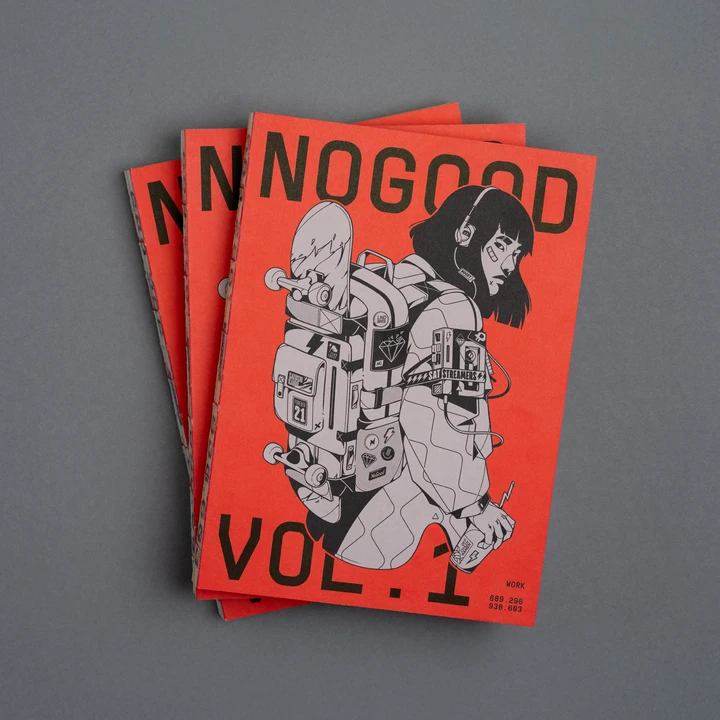
As part of The NoGood Book, the Context section gathers writing from people whose work has shaped my own thinking — published here in full under a Creative Commons Share-Alike license, alongside the illustrations I made for each piece.
Articles in this section
Downloads
By Douglas Rushkoff — source
Breaking from the pace of the net

I can’t do this anymore.
Oh, I’m happy to write and podcast and teach and talk. That’s me, and that’s all good. What I’m finding difficult, even counter-productive, is to try to keep doing this work at the pace of the Internet.
Podcasting is great fun, and if it were lucrative enough I could probably record and release one or two episodes a week without breaking too much of a sweat. That’s the pace encouraged by both the advertising algorithms and the patronage platforms. Advertisers can more easily bid for spots on a show with a predictable schedule on specified days. Likewise, paying subscribers have come to expect regular content from the podcasts they support. Or at least the platforms encourage a regular rhythm, and embed subtle cues for consistency.
Substack, while great for a lot of things, is even worse as far as its implied demand for near-daily output. If I really wanted to live off a Substack writing career, I would have to ramp up to at least three posts a week. That might work if I were a beat reporter covering sports, but - really - how many cogent ideas about media, society, technology and change can one person develop over the course of a week? More important, how many ideas can one person come up with that are truly worth other people’s time?
I don’t even read the semi-weekly output of Paul Krugman, Tom Friedman, or any of the NYTimes a-list commentators. I feel like I’m reading the same column, again and again, with slight variations. For that experience of variations on a theme I’d rather listen to the Grateful Dead channel, where each concert version of DarkStar is a unique instance of something fundamentally familiar.
Making matters worse, the pace of the Internet actually increases with the growth of the platforms. Where print or television may have been a regular grind, the Internet is an accelerating grind. No sooner do you get used to one pace of production than the platforms seem to demand more. More posts, more microcontent to support those posts, and more networks on which to post and cross-post all of that content. A platform’s profits can’t grow exponentially without accelerating the hamster wheels on which its users run.
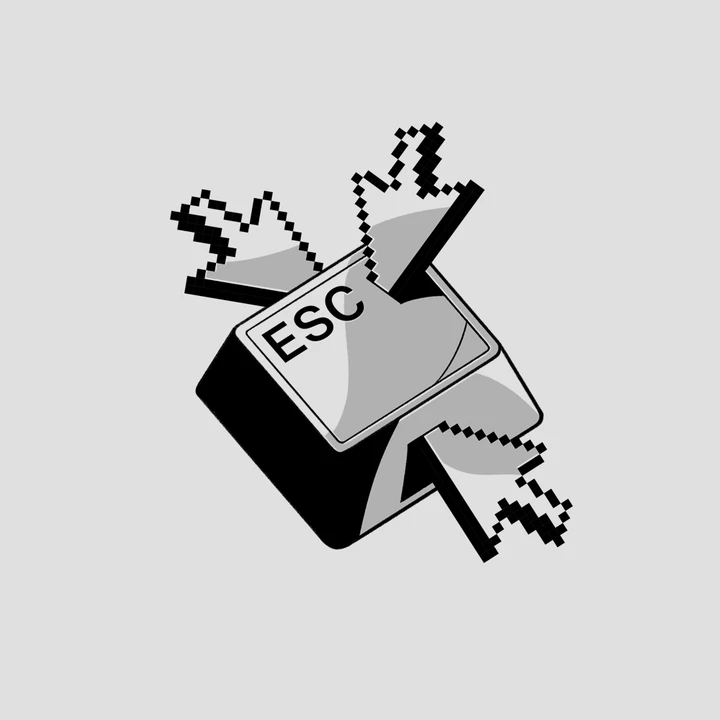
I get it. It’s just the indsutrial age expressing the values of increased productivity to all of us through platforms that can substitute for the commands of the taskmaster with pacing and leading of the digital environment itself. Where freelancers like me used to internalize the mean boss, now our technologies do that for us.
And while I love being able to engage with readers and listeners and Discord members through many modes, I am coming to realize my sense of guilty obligation to all the people on all these platforms is actually misplaced. The platforms themselves are configured to tug on those triggers of responsibility, the same way Snapchat uses the “streak” feature to keep tween girls messaging each other every day. They’re not messaging out of social obligation, but to keep the platform’s metric rising. It’s early training for the way their eventual economic precarity will keep them checking for how much money a Medium post earned, or how many new subscribers were generated by a Substack post.
Most ironically, perhaps, the more content we churn out for all of these platforms, the less valuable all of our content becomes. There’s simply too much stuff. The problem isn’t information overload so much as “perspective abundance.” We may need to redefine “discipline” from the ability to write and publish something every day to the ability hold back. What if people started to produce content when they had actually something to say, rather than coming up with something to say in order to fill another slot?
I’m going to try that. It’s how I always worked in the past. I remember when Blogger started, I would use the platform to write one thosuand-word piece every couple of weeks. People would comment that I was using it “wrong” - that it was supposed to be a daily web log, thus “blog.” But I ended up growing an audience anyway, and I think they appreciated that I’d only ask for their eyeballs if I thought what I had to share was worth their time.

Now I’m doing a podcast every week, which means finding guests to fill slots rather than finding slots to share friends and ideas with you. That’s not fair to anyone, particularly when there are so many podcasts and radio shows on which many of these same guests and friends are appearing. (That’s likely why my interview shows have significantly smaller audiences than the monologues.) Back when we started the Team Human podcast, I remember listeners emailing to say that our episodes were so rich that they wanted more time to digest them. They complained that our weekly output was just too much to process. They wanted to have time for a second listen. So we dropped to once every-other-week, which did feel more natural. But that was before Covid and the loss of speaking gigs, before Medium shut its magazines and stopped paying writers, before I had to start paying college tuition bills and before I found myself enmeshed in the value system of views, opens, and CPMs.
It’s not worth it. What I value most and, hopefully, offer is an alternative to the pacing and values of digital industrialism. That’s what I’m here for: to express and even model a human approach to living in a digital media environment. So I’m getting off the treadmill, recognizing this assembly line for what it is, and trusting that you will stay with me on this journey in recognition of the fact that less is more.
By Joan Westenberg — source
Your creator economy is build on our broken dreams
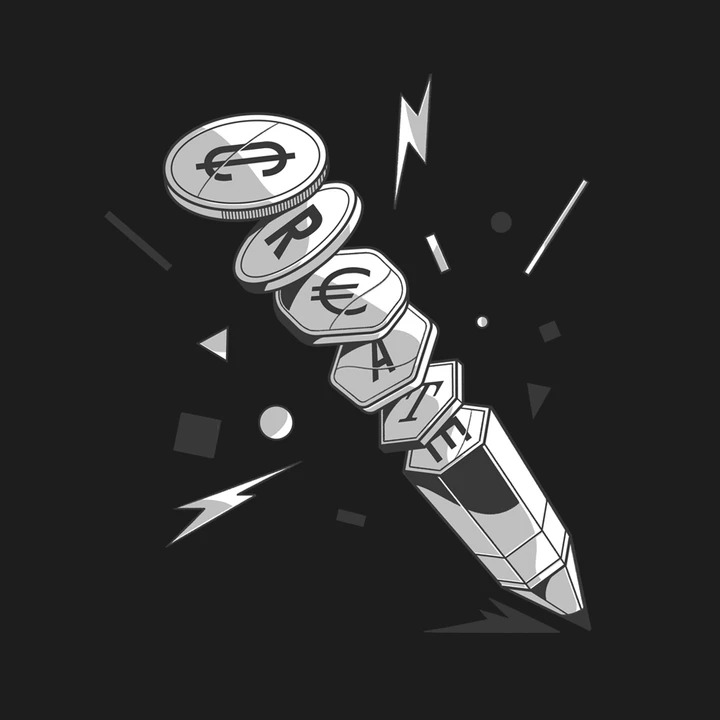
Somewhere in San Francisco, another startup founder is pitching their revolutionary creator economy platform. They've got the perfect deck: slick animations, exponential growth charts, and a "mere" 10% platform fee. Their Patagonia vest matches their meticulously rehearsed presentation about "empowering creators" and "democratizing content."
They're missing the point entirely. And willfully.
Creators aren't waiting for another platform. We're drowning in platforms. We're suffocating under algorithmic whims that change weekly, crushing organic reach and forcing us to pay for visibility to our own audiences. Every "revolutionary" creator economy tool arrives with a new (old) subscription fee, a new (exploitative) revenue share model, and another desperate grab at the scraps we're already fighting over.
These founders see a several-hundred-billion-dollar creator economy (where most of the money flows to Mr. Beast and Joe fucking Rogan) and imagine carving out their piece of the action. What they don't see, what they're too blind to see, what they're too siloed off from actual creative folks even to imagine, are the individual creators behind those numbers – writers, artists, musicians, and filmmakers struggling to cover rent while algorithms dictate their worth. They don't see the endless hours spent chasing attention, the constant pivot to new formats, the soul-crushing race to stay relevant.
Here's the reality: the median creator makes less than $300 per month. That's before platform fees, before taxes, before the cost of equipment and software and marketing tools that every "must-have" blog post tells us we need. The top 1% of creators might be building mansions, but the rest of us are bailing water from leaking, second-hand rowboats, just trying to stay afloat in a turbulent man-made lake of shit.
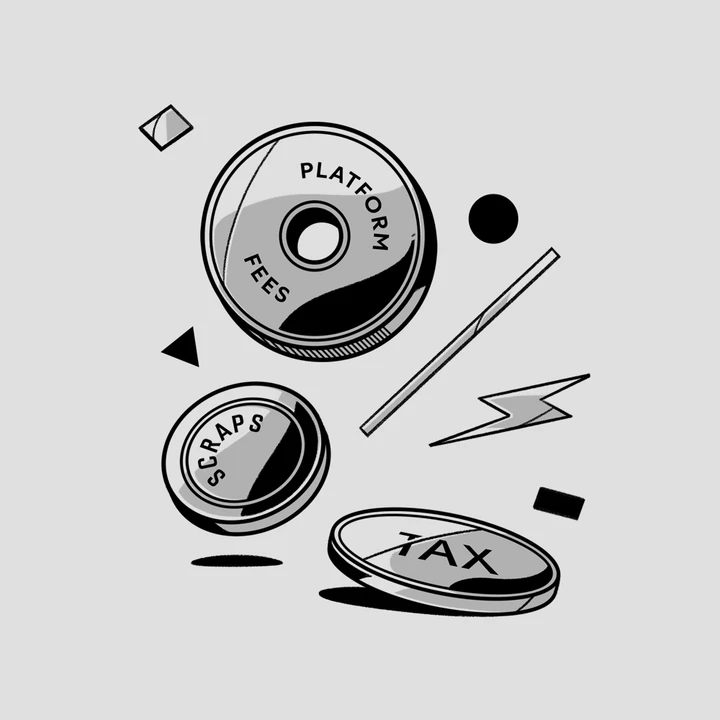
Want actually to help creators? Stop building wealth extraction layers. Stop designing systems that turn creative work into data points and engagement metrics. Stop pretending that taking 10% of our already minimal earnings is "adding value."
What do creators need? It's not rocket science.
We need to own our audience relationships. We need reduced costs instead of invented new ones. We need control over our algorithmic destiny.
If you cared about creators (I'm well aware that you don't, but I'm going to exercise an idealistic hypothetical for a hot moment), you'd work on creator tools that aren't just another middleman platform. You'd attempt to dismantle the barriers between creators and their audiences to support actual ownership and independence.
Until then, keep your vest-wearing pitches and your revolutionary platforms. We'll be doing what we've always done – creating, adapting, and surviving despite the system, not because of it.
The creator economy doesn't need another savior. It needs fewer parasites.
By Cory Doctorow — source
Social quitting
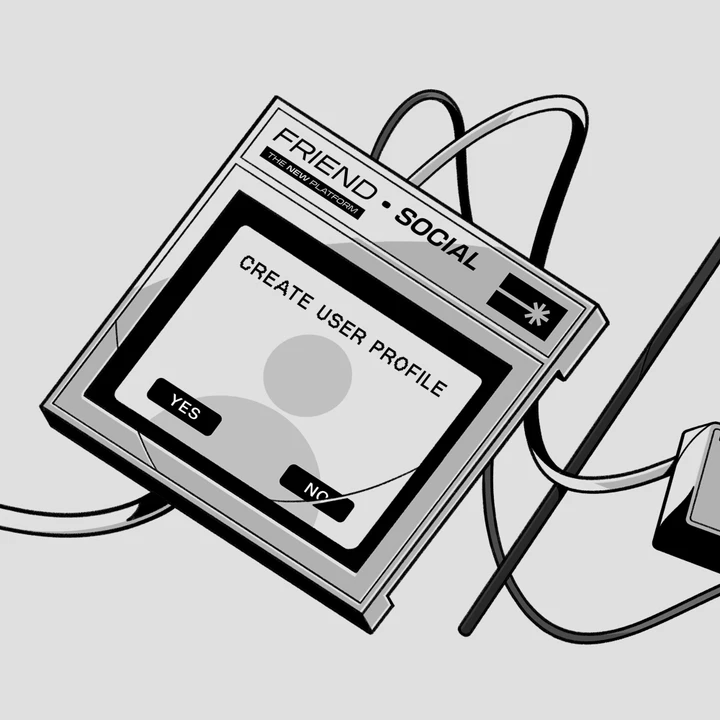
As I type these words, a mass exodus is underway from Twitter and Facebook. After decades of eye-popping growth, these social media sites are contracting at an alarming rate.
In some ways, this shouldn’t surprise us. All the social networks that preceded the current generation experienced this pattern: SixDegrees, Friendster, MySpace, and Bebo all exploded onto the scene. One day, they were sparsely populated fringe services, the next day, everyone you knew was using them and you had to sign up to stay in touch. Then, just as quickly, they imploded, turning into ghost towns, then punchlines, then forgotten ruins.
This didn’t happen to Facebook and Twitter. Both attained a scale and durability that exceeded the networks that preceded them. For many people, it seemed like the operators of these services had cracked the nut of making eternal social media. Maybe it was their access to the capital markets, which let them hire better engineering teams? Maybe it was the singular genius of their founders and leaders? Maybe it was luck?
Today, it’s getting harder to believe that these networks will last forever. In the blink of an eye, they’ve gone from unassailable eternal mountains to shifting sands that might blow away at any time. Users are scrambling to download their data and tell their friends where they can be found if (when?) the service disappears.
How did these systems go from permanent to ephemeral? How did it happen so quickly?
Here’s my theory.
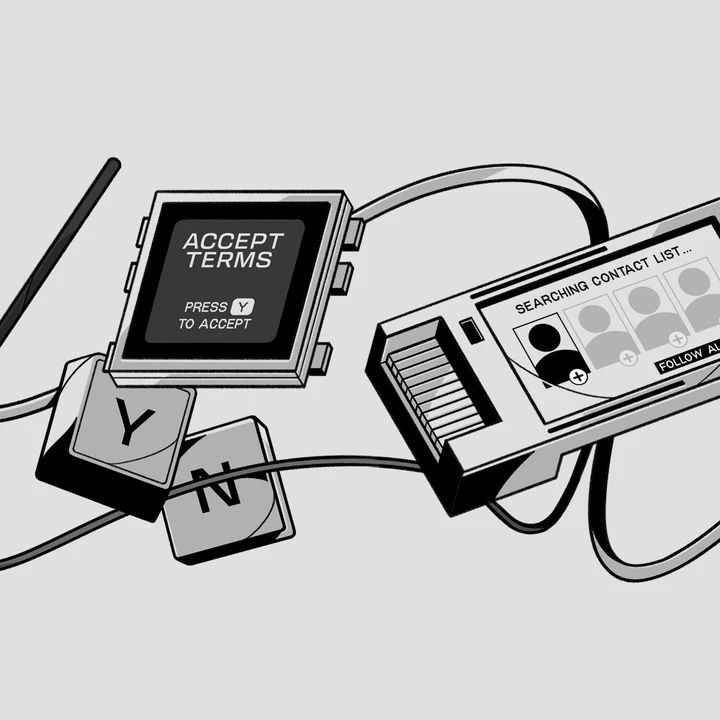
When economists and sociologists theorize about social media, they emphasize ‘‘network effects.’’ A system has ‘‘network effects’’ if it gets more valuable as more people use it. You joined Facebook because you valued the company of the people who were already using it; once you joined, other people joined to hang out with you.
Network effects are powerful drivers of rapid growth. They’re a positive feedback loop, a flywheel that gets faster and faster.
But network effects cut both ways. If a system gets more valuable as it attracts more users, it also gets less valuable as it sheds users. The less valuable a system is to you, the easier it is to leave.
When you leave a system, you have to endure ‘‘switching costs’’ – everything you give up when you change products, services, or habits. Quitting smoking means enduring not just the high switching cost of nicotine withdrawal, but also contending with the painful switching costs of giving up the social camaraderie of the smoking area, the friends you’ve made there, and the friends you might make there in the future.
For social media, the biggest switching cost isn’t learning the ins and outs of a new app or generating a new password: it’s the communities, family members, friends, and customers you lose when you switch away. Leaving aside the complexity of adding friends back in on a new service, there’s the even harder business of getting all those people to leave at the same time as you and go to the same place.
Each commercial social media service has two imperatives: first, to make it as easy as possible to switch to their service, and second, to make it as hard as possible to leave. When Facebook opened up to the general public – and not just university students – it needed a plan to deal with MySpace.
At the time, MySpace was the largest social network the world had ever seen. It was overly complex, filled with spam, and often joyless, but for MySpace users, it had a major advantage over Facebook: all their friends were already on MySpace.
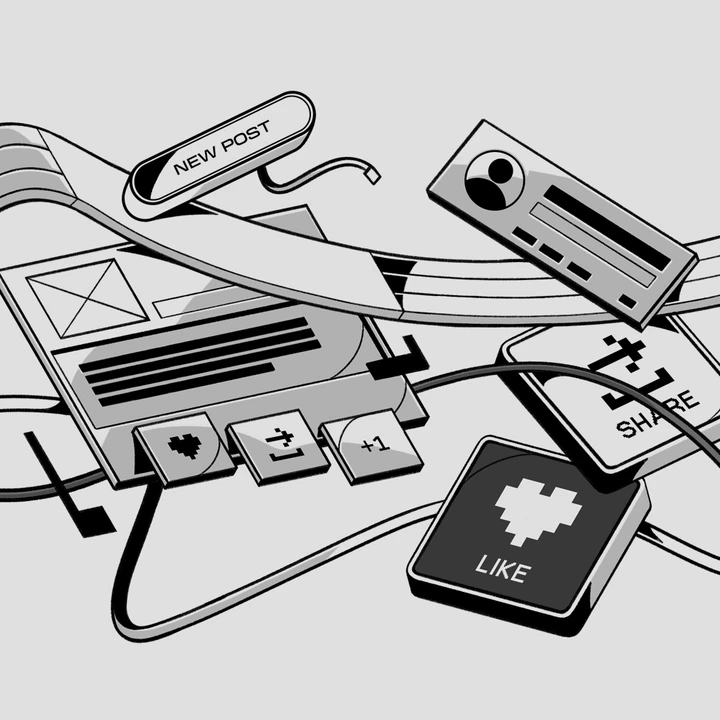
It didn’t matter that Facebook had a better user interface and more features. It didn’t matter that Facebook promised not to spy on its users on behalf of advertisers (yes, this was Facebook’s pitch in 2006 when it dropped the requirement that you sign up with a .edu address).
Facebook addressed this problem by giving MySpace users who switched to Facebook a bridge between the two services. Simply give this tool your MySpace login and password, and it would use a bot to login to your MySpace account, scrape all the waiting messages in your queues and inbox, and push them into your Facebook feed. You could reply to these, and the bot would log back into MySpace and post those replies as you.
Facebook attacked MySpace’s high switching costs head on, lowering them for users and unleashing network effects and rapid growth.
But as Facebook and Twitter cemented their dominance, they steadily changed their services to capture more and more of the value that their users generated for them. At first, the companies shifted value from users to advertisers: engaging in more surveillance to enable finer-grained targeting and offering more intrusive forms of advertising that would fetch high prices from advertisers.
This enshittification was made possible by high switching costs. The vast communities who’d been brought in by network effects were so valuable that users couldn’t afford to quit, because that would mean giving up on important personal, professional, commercial, and romantic ties. And just to make sure that users didn’t sneak away, Facebook aggressively litigated against upstarts that made it possible to stay in touch with your friends without using its services. Twitter consistently whittled away at its API support, neutering it in ways that made it harder and harder to leave Twitter without giving up the value it gave you.
When switching costs are high, services can be changed in ways that you dislike without losing your business. The higher the switching costs, the more a company can abuse you, because it knows that as bad as they’ve made things for you, you’d have to endure worse if you left.
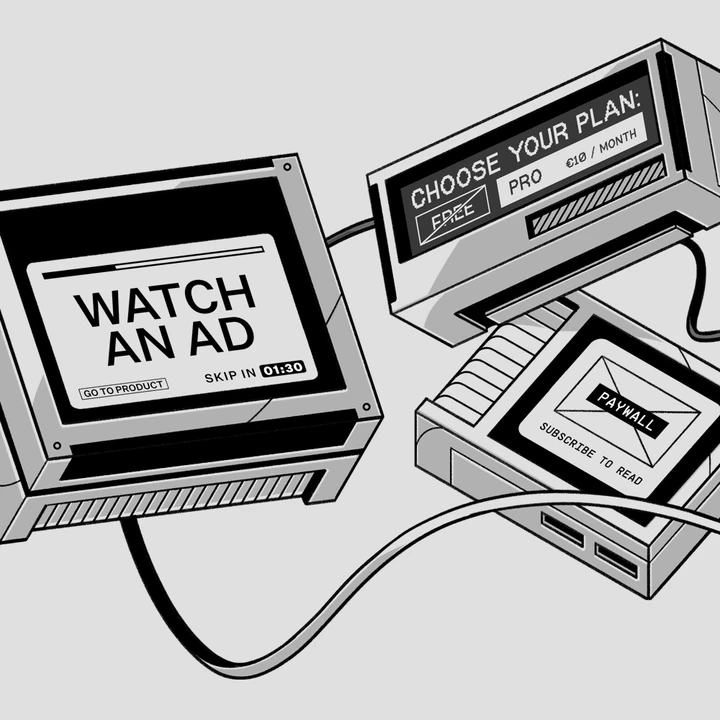
I think this is what’s killing the social media giants.
Every social media service has costs (trolls, surveillance, ads, identity theft risks, etc.) and benefits (community, commerce, family). So long as the benefits outweigh the costs, you’ll probably stick around.
When benefits outweigh costs, economists call it a ‘‘surplus.’’ The surplus is the difference between the value you get from using a service and the costs exacted by your ongoing use of that service.
Companies that don’t have to worry about their users leaving – because of high switching costs and/or few competitors – can scoop up that surplus. They can spy on you more, or put more ads into your feed, or pay fewer moderators to fight harassment.
Once they have taken the surplus from you, they can allocate it to the advertisers who use their platforms – they can charge less to advertise to you, make it harder for you to skip ads, and so on. This brings in revenue, which gooses their share prices and attracts more advertisers.
But all things being equal, the company would prefer that all the surplus would end up on its own balance sheet. Once you are locked in, and once advertisers are locked in, the companies can grab the surplus away from those advertisers, too. For example, companies can create their own products that directly compete with the ones that their advertisers offer, or they can rig the ad-buying market (as Google and Facebook did when they illegally colluded on a secret project called ‘‘Jedi Blue’’).
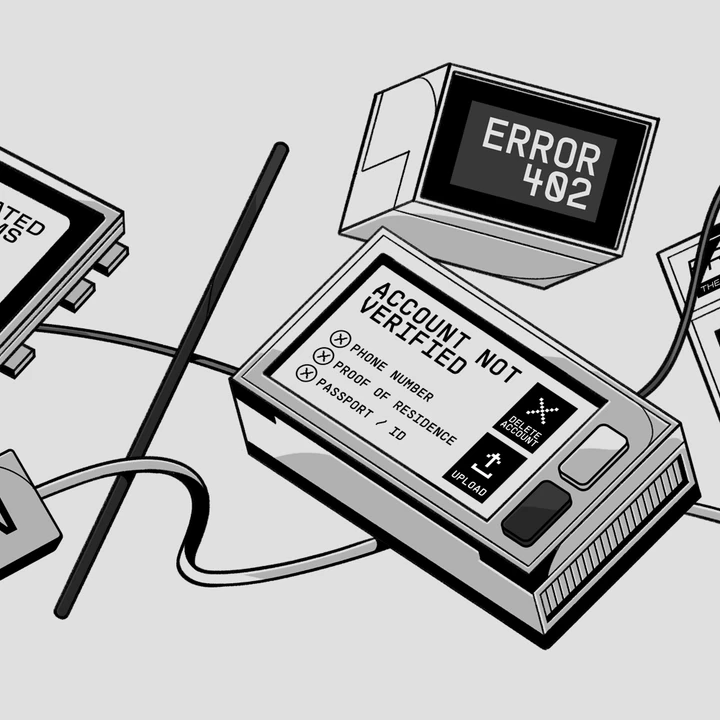
The higher the switching costs, the more the social media companies can appropriate of that surplus – that is, the worse they can make things for both advertisers and users.
That’s what happened to MySpace and Bebo and Friendster and the other corpses in the social media graveyard: they made things worse for users and advertisers, and that meant that leaving hurt less, which meant the switching costs were lower.
As people and businesses started to switch away from the social media giants, inverse network effects set in: the people you stayed on MySpace to hang out with were gone, and without them, all the abuses MySpace was heaping on you were no longer worth it, and you left, too. Once you were gone, that was a reason for someone else to leave. The same forces that drove rapid growth drove rapid collapse.
The social media companies that are circling the drain today had a very long run. They figured out how to use the law (copyright, patent, terms of service, contract) to make it much, much harder for upstarts to offer a way to gracefully exit the system. Because they had so many of the people that mattered to us trapped inside them, and because they made it so hard to leave, they could really treat us like garbage without risking our departure. They cut the surplus to the bone.
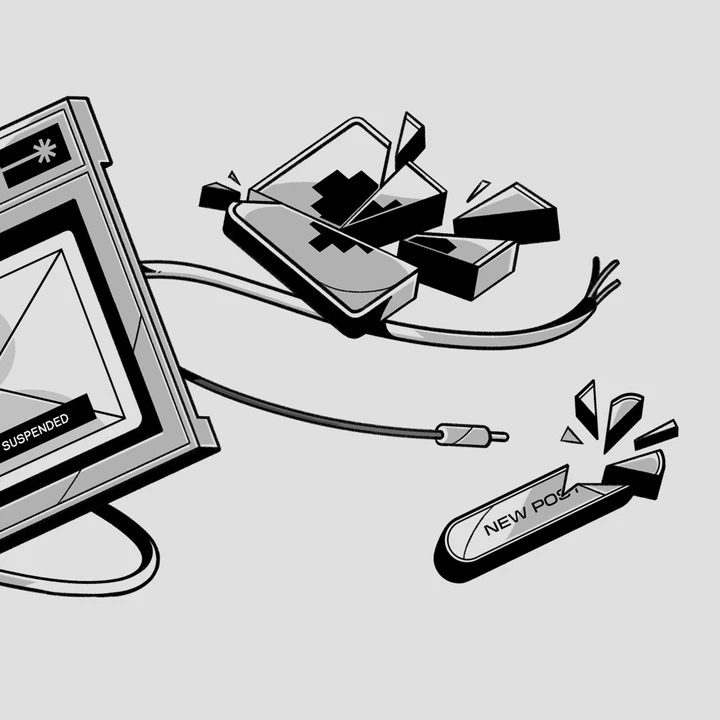
And then…. Stuff happened. Mark Zuckerberg got worried about losing users and decided we were all going to live as legless low-polygon cartoons in a metaverse that no one wanted to use, not even the Facebook employees who built it. Twitter got bought out by a low-attention-span, overconfident billionaire who started pulling out Jenga blocks to see whether the system would fall over, and when it did, we all got crushed by the falling blocks.
These services had been shaved down to the point where most of us were only a hair’s breadth away from quitting, because all the surplus had been transferred from us and from business users to the companies.
Once things got just a little worse, advertisers and users started to quit, and the long-delayed MySpacing of Facebook and Beboizing of Twitter began.
RIP.
By Mike Masnick — source
Protocols, not platforms: a technological approach to free speech
In the last two decades, the rise of internet platforms—Facebook, Twitter, YouTube, Reddit, and others—have more or less displaced the protocol-based systems used previously. With the platforms, there is a single (usually for-profit) company that runs the services for end users. These services tend to be funded first by venture capital and then by advertising (often highly targeted).
The platforms are all built on the World Wide Web and tend to be accessed through a traditional internet web browser or, increasingly, a mobile device app. The benefits of building a service as a platform are fairly obvious: the owner has ultimate control over that platform and thus is much better positioned to monetize the platforms via advertising of some form (or other ancillary services). This does, however, incentivize these platforms to acquire an ever increasing amount of data from their users to better target them.
This has resulted in reasonable concerns and pushback from both users and regulators, who are concerned that platforms are not playing fairly or not properly “protecting” the end-user data they have been collecting.
A second problem facing the largest platforms today is that as they have become larger and more central to everyday lives, there is growing concern directed at the operators of these platforms about the content that they have enabled to be posted—as well as the responsibilities those operators might have in policing or blocking that content. They have faced increasing pressure from both users and politicians to police that content more proactively.
In some cases, laws have been passed that more explicitly require platforms to delete certain content, slowly chipping away at the earlier immunity (e.g., the Communications Decency Act, Section 230, in the US, or the E-Commerce Directive in the EU) that many platforms enjoyed over their moderation choices.
Because of this, platforms have felt reasonably compelled not only to be more proactive but also to testify before various legislative bodies, to hire thousands of employees as potential content moderators, and to invest heavily in moderation technology. Yet even with these regulatory mandates and human and technical investments, it is still not clear that any platform can actually do a “good” job of moderating content at scale.

Part of the problem is that any platform moderation decision is going to upset someone. Obviously, those whose content was moderated tend not to be happy about it, but the same is true of others who wished to see or share that content. At the same time, in many cases a decision not to moderate content can also upset people. Currently, the platforms are receiving quite a lot of criticism for their moderation choices, including accusations (mostly evidence-free, to be sure) that political bias is driving those content moderation choices. As the platforms face pressure to take on more responsibility, every choice concerning content moderation they make puts them in a bind. Remove disputed content—and anger those who created it or support it; refrain from removing disputed content—and anger those who find it problematic.
This puts the platforms in a no-win position. They can keep throwing more and more money at the problem and continue to talk to the public and politicians, but it is unclear how this ever ends with enough people being “satisfied.” It is not difficult on any given day to find people upset with platforms like Facebook, Twitter, and YouTube when they fail to take down certain content—who can immediately be replaced by those upset with the platforms when they eventually do take down that content.
This setup is frustrating for everyone involved, and it’s unlikely to get better anytime soon.
Protocols to the Rescue
In this article, I am proposing that we return to a world of protocols dominating the internet, rather than platforms. There is reason to believe that moving to a system of protocols could solve many of the problems associated with platforms today and that it could be done while minimizing the problems that were inherent to protocols a few decades ago.
While there is no silver bullet, a system of protocols could serve to do a better job of protecting both user privacy and free speech, while at the same time minimizing the impact of abusive behavior online and creating new and compelling business models that are more aligned with user interests.
The key to making this work is that while there would be specific protocols for the various types of platforms we see today, there would then be many competing interface implementations of that protocol. The competition would come from those implementations. The lowered switching costs of moving from one implementation to another would create less lock-in, and the ability for anyone to create their own interface and get access to all of the content and users on the underlying protocol makes the barriers to entry for competition drastically lower. You don’t need to build an entirely new Facebook if you already have access to everyone making use of the “social network protocol” and just provide a different, or better, interface to it.
An example of this is already seen, to some extent, in the email space. Built on open standards such as SMTP, POP3 and IMAP, there are many different implementations of email. Popular email systems in the 1980s and 1990s relied on a client-server setup whereby the service provider (whether a commercial internet service provider, a university, or an employer) would host the email only briefly on a server, until they were downloaded to the user’s own computer via some client software, like Microsoft Outlook, Eudora, or Thunderbird. Or, users could access that email via a text interface, such as Pine or Elm.
The late 1990s saw the rise of web-based email, first with Rocketmail (eventually purchased by Yahoo, becoming Yahoo Mail) and Hotmail (purchased by Microsoft, years later becoming Outlook.com). Google introduced its own offering, Gmail, in 2004, which kicked off a new round of innovation, as Gmail offered vastly more storage space for email as well as a significantly faster user interface.
However, because of these open standards, there is a great deal of flexibility. A user can use a non-Gmail email address within the Gmail interface. Or he or she can use a Gmail account with an entirely different client, such as Microsoft Outlook or Apple Mail. On top of that, it’s possible to create new interfaces on top of Gmail itself, such as with a Chrome extension.
This setup has many advantages for the end user. Even if one platform—like Gmail—becomes much more popular in the marketplace, the costs of switching are much lower. If a user does not like how Gmail handles certain features or is concerned about Google’s privacy practices, switching to a different platform is much easier, and the user does not lose access to all of his or her old contacts or the ability to email anyone else (even those contacts that remain Gmail users).
Notice that this flexibility serves as a strong incentive on Google’s part to make sure that Gmail treats its users well; Google is less likely to take actions that might lead to a rapid exodus. This is different than a fully proprietary platform such as Facebook or Twitter, where leaving those platforms means that you no longer are in communication in the same way with the people there and can no longer easily access their content and communications. With a system like Gmail, it is easy to export contacts and even legacy emails and simply begin again with a different service, without losing the ability to remain in contact with anyone.
In addition, it opens up the competitive environment much more. Even as Gmail is an especially popular email service, others are able to build up significant email services—like Outlook.com or Yahoo Mail—or to create successful startup email services that target different markets and niches—like Zohomail or Protonmail.
It also opens up other services that can build on top of the existing email ecosystem, with less fear of a being reliant on a single platform that might shut them out. For example, both Twitter and Facebook have a tendency to switch product directions and to cut off third-party apps, but in the email space, there’s a thriving market of services and companies like Boomerang, SaneBox, and MixMax, each of which provides additional services that can work on a variety of different email platforms.
The end result is more competition to make the service better, both between and within email services, and strong incentives to keep the major providers acting in their users’ best interests, since the significantly lower lock-in gives those users the option to leave.
By Shawn Yeager — source
A bet worth making
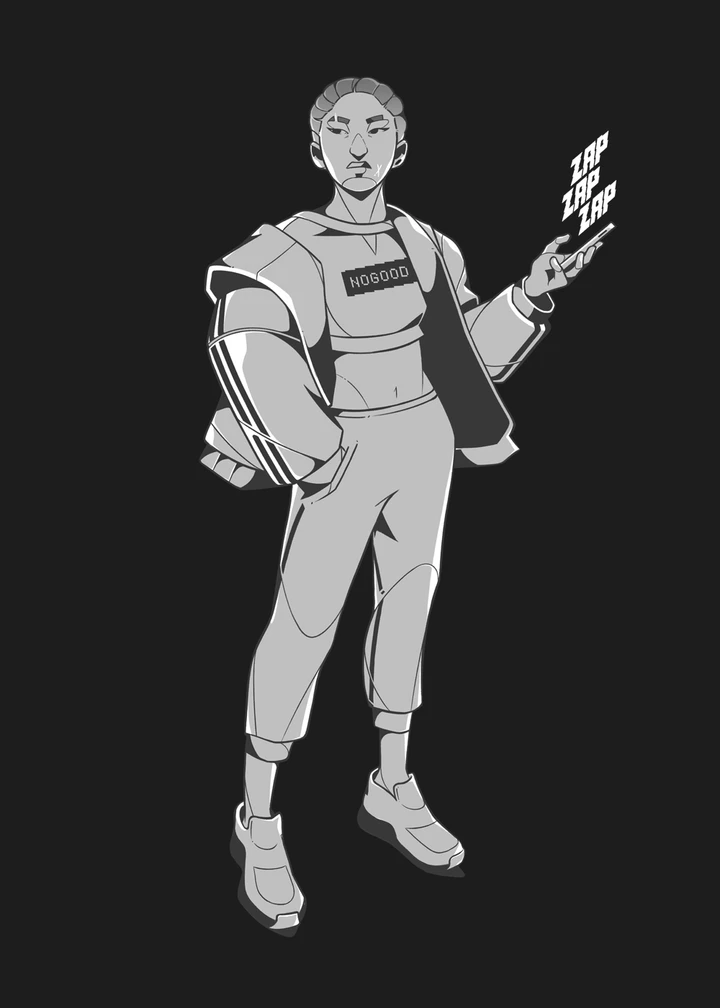
There’s an idea I find compelling: what if you could pay creators directly instead of watching ads? What if the money currently flowing to Big Tech through your attention and data went to the people actually making things you value?
This is the promise behind “value for value,” a model where you voluntarily pay for content instead of being monetized through surveillance. It’s the philosophy behind Bitcoin micropayments, Podcasting 2.0, and protocols like Nostr. The premise: if you’re paying, you’re the customer. If you’re not, you’re the product.
But if you’re building V4V platforms, Lightning infrastructure, Nostr clients, you need to know what the data actually says. Not to abandon the mission, but to build with clear eyes.
I host my podcast, Trust Revolution, on a V4V platform. I accept these payments. I want this model to work. That doesn’t mean it does.
Companies like Google and Meta capture roughly $670 a year from the average American through attention and data. That’s real money, even if you never see it leave your pocket. The question is whether voluntary payment can redirect even a fraction of that, and whether it can do so at a scale that actually sustains creators and platforms.
This isn’t a new question. People have been trying voluntary payment for decades, in contexts far removed from tech. Street performers. Public radio. Pay-what-you-wish restaurants. Museums. The data is in on what happens when you let people decide what to pay. And the numbers cluster around the same range, whether you’re talking about NPR pledge drives or Bitcoin micropayments.
The Case For
That number comes from quarterly earnings reports. Meta alone pulls $68 per quarter from US and Canadian users. Google’s ad revenue, divided by their user base, adds another $400-plus for Americans specifically.
Real money. You don’t see it leaving because it never arrives as cash. It flows through your attention and data—currencies you don’t track but companies absolutely do. If even a fraction of that could go directly to creators and services you actually use, the math works.
And some people will pay. Patreon has proven that 1–5% of an audience will voluntarily support creators they value. The top podcasts on Patreon (Matt and Shane’s Secret Podcast, Chapo Trap House) generate hundreds of thousands of dollars monthly from voluntary subscriptions. No ads. Just listeners who decided the content was worth paying for.
The technology works too. Bitcoin’s Lightning Network routes payments in milliseconds with fees measured in fractions of a cent. Platforms like Nostr enable censorship-resistant communications. The technical barriers that made micropayments impractical for decades are largely solved.
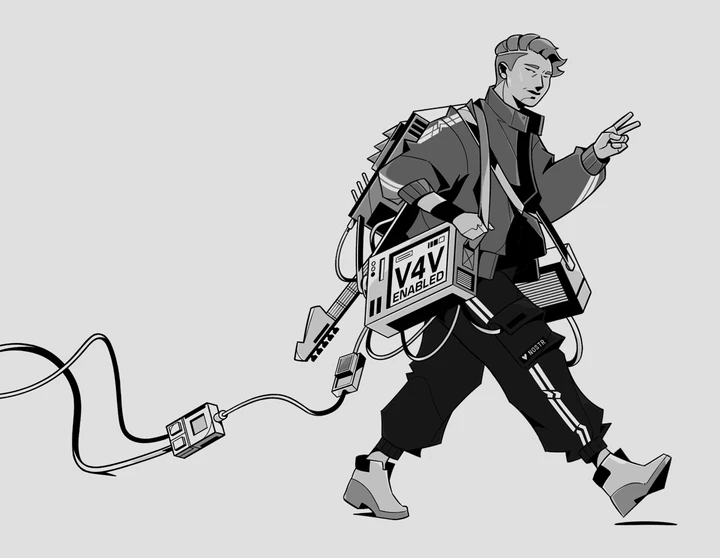
One piece of evidence is encouraging: Apple’s App Tracking Transparency rollout. Before ATT, about 73% of users allowed tracking, because it was the default. After Apple switched to opt-in, that number collapsed to 18%. Same users, same phones, same apps. A 55-percentage-point swing from a single design change.
People aren’t actively choosing surveillance. They’re just not actively rejecting it. Change the default, and behavior changes with it.
Then there’s Spotify. About 40% of Spotify’s users pay for Premium—way higher than the 9% we see with YouTube Premium. That sounds like evidence that people will pay when the value proposition is clear.
But look closer. Spotify launched as a freemium service in 2008. The premium tier was baked in from the start. Users who came in expecting to pay were more likely to pay. And crucially, Spotify’s free tier has always been meaningfully worse: shuffle-only on mobile for years, aggressive ad interruptions, limited skips. The friction of not paying was designed to be high.
YouTube, by contrast, was free for over a decade before Premium existed. Users formed expectations around an ad-supported model. Asking them to pay now feels like asking them to pay for something they already had.
Maybe direct payment models just need better defaults and less friction. Make paying as easy as being monetized, and the economics shift.
The optimistic case. But there’s evidence that complicates it.
The Evidence Against
When people are offered an explicit choice between paying and being the product, they tend to choose ads. Consistently.
YouTube Premium has been available for years. It removes ads, offers background play, includes YouTube Music. Google has promoted it aggressively. And after all that, only about 9% of US users pay. The other 91% accept advertising.
Netflix introduced an ad-supported tier, and it captured over 55% of new signups. Amazon Prime Video made ads the default and 85% of users stayed on it rather than pay extra. When Meta was forced to offer ad-free subscriptions in Europe, they priced it at roughly what they pull in ad revenue, and most users didn’t switch.
The pattern is consistent: when given a choice, most people choose free-with-ads over paid-without.

These are different models: ad removal, subscriptions, micropayments, donations. But they all bet on the same thing: that people will pay when given a real choice. The data across all of them points the same direction.
You might say that’s because the paid options aren’t compelling enough, or the friction is too high, or people don’t understand what they’re giving up. Maybe. But then look at Nostr, a social platform built entirely around voluntary payment. Sending Bitcoin micropayments is built into the protocol. The friction is as low as it’s ever been for this kind of transaction.
The participation rate is around 0.5%.
Nostr has millions of registered accounts. Of those, roughly 165,000 have ever sent a payment. Ever. That’s about half a percent. Even if you only count active users with real profiles, participation tops out around 17%.
Meanwhile, Jack Dorsey and others have put ~$10 million into Nostr-specific development through OpenSats and direct grants. The subsidy from a handful of wealthy believers dwarfs the organic value exchange happening on the platform. Twitch has 30 million daily unique viewers, but streamers typically see only 5–15% of their audience subscribe. And that’s for streamers who’ve built dedicated communities. The top 6% of streamers, the celebrity tier with real followings, hold nearly 60% of all subscribers. The long tail of creators gets scraps.
Less than 5% of active podcasts even support V4V payments. Of those that do, Blubrry reports that participating shows average $25 to $100 per month from audience contributions. Meanwhile, the podcast advertising market is nearly $2 billion. V4V is a rounding error.
The software that runs the internet—Linux, OpenSSL, Log4j—creates trillions in value. Harvard Business School estimated $8.8 trillion in demand-side value from open source software. And 60% of the maintainers who create that value are unpaid. When surveyed, 81% said they want predictable monthly income, not sporadic donations.
Voluntary payment doesn’t match what creators actually need. And it’s not just audiences who prefer ads. Many creators do too. Advertising revenue is passive. It doesn’t require asking your audience for money, cultivating relationships, or dealing with the guilt of inconsistent support. A CPM check shows up whether or not your listeners feel generous that week. That reliability beats the philosophical appeal of direct payment.
The Historical Evidence
The pattern predates the internet. Voluntary payment has never worked at scale. Public radio has been running on this model since the 1970s. NPR stations survive on listener donations, supplemented by grants and underwriting. About 6–12% of listeners actually donate. Industry consultants put the average around 8–10%. That’s been the number for decades.
Public radio has had 50 years to optimize pledge drives, refine messaging, build loyalty, and make donation easy. The participation rate hasn’t moved. The same audiences who say they love NPR, who listen every morning, who tell their friends—90% of them don’t pay.
Wikipedia runs annual fundraising campaigns with increasingly urgent banner messages. Their own materials say “fewer than 1% of readers give.” They have 16 billion monthly pageviews and about 7.5 million annual donors. The average donation is around $11. The people who use Wikipedia most still don’t pay for it.
Street performers (buskers) have been testing voluntary payment for centuries. Modern studies put average earnings at $20–50 per hour in good locations, but the variance is enormous. A world-famous violinist, Joshua Bell, once played in a DC Metro station and made $32.
Talent doesn’t determine a busker’s income. Location does. Timing. Luck. The audience isn’t evaluating value. They’re making snap decisions about whether to drop a dollar in a case as they walk by.
And for everyone who thinks “pay what you want” might work if you just positioned it right: Panera tried. From 2010 to 2019, they operated five “Panera Cares” locations where customers could pay whatever they wanted for their meals. The target was 60% paying full price, 20% paying more, and 20% paying less or nothing.
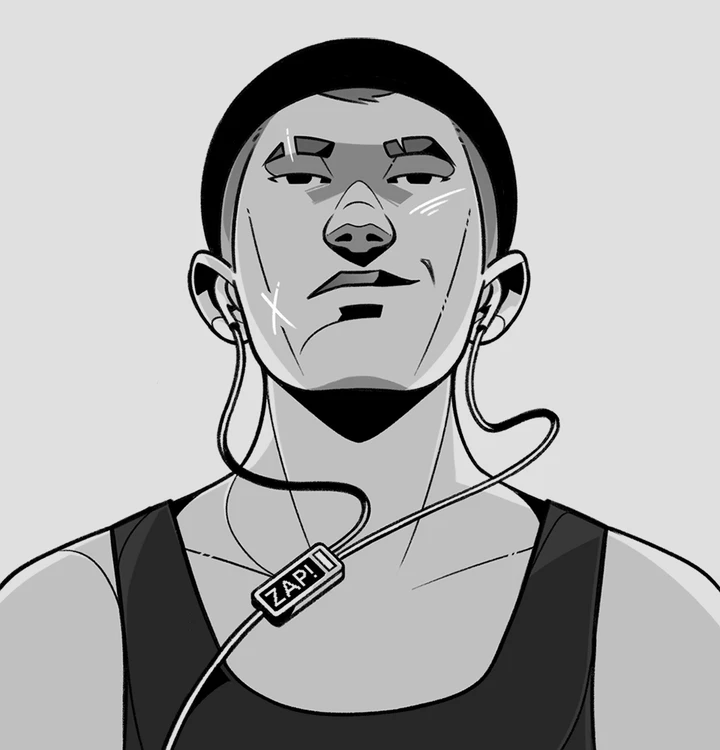
Reality: revenue covered only 60–70% of operating costs. The stores couldn’t sustain themselves. By 2019, all five had closed. Researchers found that customers paid more right after the store opened, then paid progressively less on return visits. The goodwill dried up.
Radiohead’s “In Rainbows” experiment, letting fans name their price, landed in the same range. 38% of downloaders paid something. 62% paid nothing. The average payment, including freeloaders, was $2.26. The band made money, but they were Radiohead, one of the biggest bands in the world with 15 years of major-label marketing behind them. For anyone starting from scratch, those numbers would be unsustainable.
Museums have been grappling with this for years. The Metropolitan Museum in New York operated on “suggested admission” for decades—pay what you wish. Too many visitors, particularly tourists, paid little or nothing. In 2018, the Met moved to mandatory admission for out-of-state visitors. The Brooklyn Museum, the American Museum of Natural History, the Philadelphia Art Museum—they’ve all restricted pay-what-you-wish to local residents only. The trend is away from voluntary payment, not toward it.
The numbers cluster across all these contexts: 1% for Wikipedia, 5–15% for Twitch and Patreon, 8–10% for public radio, 38% for Radiohead’s passionate fans. The ceiling appears to be somewhere between 5% and 40%, depending on how captured and loyal the audience is. And getting to 40% requires decades of brand-building that most creators don’t have.
What This Means
You could argue these comparisons aren’t fair. YouTube Premium and Netflix ad tiers are asking for extra payment on top of services people already use, not offering something fundamentally different. Maybe V4V hasn’t failed; maybe nobody’s built something compelling enough yet.
Maybe. But the Nostr numbers are harder to explain away. A platform built from the ground up around voluntary payment, attracting people who actively believe in the model. If it was going to work anywhere, it would work there. And the participation rate is still under 1%.
And when you add the historical data, decades of evidence from public radio, museums, street performers, pay-what-you-want restaurants, the pattern holds. The technology isn’t the problem. Neither is the UX. Human behavior is.
Voluntary payment at scale may not work. Not because people are bad or cheap or don’t care. But because revealed preference is overwhelming: when given a choice, most people choose free-with-ads over payment.
Remember that 1–5% Patreon figure I mentioned as evidence it can work? Look at it differently: that’s been the rate for over a decade. It hasn’t grown. Platforms have gotten easier, payment friction has dropped, and the percentage stays the same. The 1–5% who pay on Patreon, the 0.5% who pay on Nostr, the 9% who subscribe to YouTube Premium, the 10% who donate to NPR. Maybe that’s not a floor we’re still approaching.
Maybe that’s the ceiling.
If that’s true, what does it mean for anyone looking at these alternatives? Maybe these models only work for a committed minority, and that’s okay. If you’re in the 5% who actively want to support creators directly, the infrastructure exists. But expecting mass adoption may be unrealistic.
Who are these 5%? Not typical users. They’ve already done the math on the attention economy. They have the income and the ideology to act on it. And the gap between them and everyone else may not be a friction problem. It may be a values problem that better UX can’t solve.
Then again, voluntary tipping might be the wrong model, even if voluntary subscriptions can work. Patreon succeeds because it’s recurring commitment, not one-time generosity. “Pay what you want, when you want” is philosophically pure but economically fragile. Predictable beats spontaneous.
What if “choice” is the wrong frame entirely? The ATT data shows that defaults determine behavior more than decisions do. People don’t consciously choose surveillance; they just don’t actively reject it. Same with direct payment. They don’t reject it, they just don’t actively choose it.
If that’s the dynamic, then the path forward isn’t convincing more people to pay. It’s changing what the default experience looks like. Building systems where you’re not having your attention harvested unless you opt into it.
But who changes the defaults? Apple did it with tracking. Could platform designers do it with payments? That’s a different problem than the one voluntary payment is designed to solve. So what do you do with this if you’re building in freedom tech? Abandon V4V? Double down anyway?
The Exit Option
That’s a lot of evidence against an idea I want to believe in. Fifty years of data. NPR, Wikipedia, Radiohead, Panera, Twitch, Patreon. The numbers cluster between 1% and 40%, depending on how captured your audience is. The ceiling is structural, not technological. It all points to an inevitable conclusion: voluntary payment doesn’t work at scale, it never has, and it probably never will.
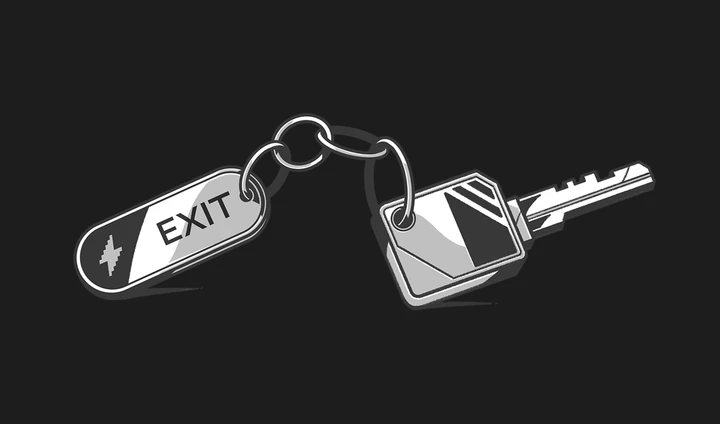
I left something out. It’s only the end of the story if you think voluntary payment needs to replace extraction economics. It doesn’t. It needs to exist as an exit.
In December 2018, Patreon banned a YouTuber named Carl Benjamin, known online as Sargon of Akkad, for something he said on a completely different platform. The ban wasn’t for violating Patreon’s terms of service. It was political. And it triggered a cascade.
Jordan Peterson and Dave Rubin both announced they were leaving Patreon in protest. They started building an alternative. Thousands of creators watched their income evaporate as supporters canceled accounts in solidarity. Many of those creators migrated to SubscribeStar, a Patreon competitor.
Within weeks, Stripe and PayPal both cut SubscribeStar off from their payment processing. No explanation. No appeal. The backup plan got deplatformed too. In 2021, OnlyFans announced it would ban sexually explicit content—the entire reason the platform exists—because banks and payment processors pressured them. They reversed the decision only after a massive creator revolt. But the lesson landed: your business model exists at the pleasure of Visa and Mastercard.
And this goes back further. In 2014, the U.S. Department of Justice ran something called Operation Choke Point, the first of many that would follow. The goal was to pressure banks into cutting off legal businesses the government didn’t like: gun stores, payday lenders, fireworks sellers. No charges, no due process. Just financial strangulation.
The banks are the speech police now. And every creator who depends entirely on ad revenue and traditional payment rails is one phone call away from discovering that.
Voluntary payment doesn’t replace the $670 per year the average person already pays to platforms that harvest their attention. It solves the exit problem. When Patreon bans you, when PayPal freezes your account, when YouTube demonetizes your channel, when your bank decides your business doesn’t align with their values—most creators have no backup plan.
But if you’ve spent years building a direct relationship with even 5% of your audience, on V4V, on Lightning, on whatever permissionless rail exists, you have something priceless.
You have an escape route. Look at how the successful creators operate. They’re not choosing between ads and voluntary support. They’re running both. Chapo Trap House makes $180,000+ a month on Patreon from a single $5 tier. They also have sponsors. Slate runs their podcast “Slow Burn” with eight free, ad-supported episodes plus bonus content for paying members. The Tim Dillon Show pulls in over $200,000 monthly from Patreon subscribers while also running ads.
The hybrid model works. Most people won’t pay. Ads cover them. But the ones who will pay become your insurance—an uncancellable base that doesn’t depend on any platform’s good graces.
That 2–5% conversion rate from free listeners to paid supporters? That’s not a failure. That’s the size of your lifeboat.
The Bet
The smart play for creators is to build both rails. Ad revenue pays the bills. Voluntary supporters are the insurance policy.
The escape route gets built now, while everything is fine, not after the deplatforming email arrives. And the pitch changes. “Support the show” is charity language. “Make me uncancellable” is a product. That’s what voluntary payment actually offers: the ability to keep existing when platforms decide you shouldn’t.
Same for builders. V4V infrastructure, Nostr clients, Lightning rails. Selling voluntary payment as the future of monetization is an uphill battle that fifty years of data says you’ll lose. Selling it as the escape route when the future goes wrong is a different proposition entirely.
It survives Patreon bans, PayPal freezes, bank closures, and executives who don’t like what you say. That’s not a niche use case. It’s everyone, eventually.
Voluntary payment can’t dominate. Defaults always beat choice. Human nature doesn’t change. But can it exist at a scale that makes it viable? Can enough people build and use and fund these rails so that when you need an exit, there’s somewhere to go?
That’s a bet worth making.
Privacy as a Default, Not a Privilege
Fusce dapibus, tellus ac cursus commodo, tortor mauris condimentum nibh, ut fermentum massa justo sit amet risus. Cras justo odio, dapibus ac facilisis in, egestas eget quam. Sed posuere consectetur est at lobortis.

Fusce dapibus, tellus ac cursus commodo, tortor mauris condimentum nibh, ut fermentum massa justo sit amet risus. Cras justo odio, dapibus ac facilisis in, egestas eget quam. Sed posuere consectetur est at lobortis.
Quaerat voluptatem. Ut enim ad minima veniam, quis nostrum exercitationem ullam corporis suscipit laboriosam, nisi ut aliquid ex ea commodi consequatur, quis autem vel eum iure reprehenderit qui in ea voluptate velit esse.
Lorem ipsum dolor sit amet, consectetur adipiscing elit. Sed do eiusmod tempor incididunt ut labore et dolore magna aliqua. Ut enim ad minim veniam, quis nostrud exercitation ullamco laboris nisi ut aliquip ex ea commodo consequat.
Et molestiae non recusandae. Itaque earum rerum hic tenetur a sapiente delectus, ut aut reiciendis voluptatibus maiores alias consequatur aut perferendis doloribus asperiores repellat. Statim nec elit.
Maecenas faucibus mollis interdum. Etiam porta sem malesuada magna mollis euismod. Cras mattis consectetur purus sit amet fermentum. Donec sed odio dui, integer posuere erat a ante venenatis dapibus posuere velit aliquet.
Aenean eu leo quam. Pellentesque ornare sem lacinia quam venenatis vestibulum. Nullam quis risus eget urna mollis ornare vel eu leo, in hac habitasse platea dictumst vestibulum id ligula porta felis euismod semper.
Morbi leo risus, porta ac consectetur ac, vestibulum at eros. Sed posuere consectetur est at lobortis. Vestibulum id ligula porta felis euismod semper. Nullam quis risus eget urna mollis ornare vel eu leo.
At vero eos et accusamus et iusto odio dignissimos ducimus qui blanditiis praesentium voluptatum deleniti atque corrupti quos dolores et quas molestias excepturi sint occaecati cupiditate non provident.
Cum sociis natoque penatibus et magnis dis parturient montes, nascetur ridiculus mus. Donec ullamcorper nulla non metus auctor fringilla, vestibulum at eros tempus imperdiet, in id erat non orci commodo.
Nisi ut aliquid ex ea commodi consequatur. Quis autem vel eum iure reprehenderit qui in ea voluptate velit esse quam nihil molestiae consequatur, vel illum qui dolorem eum fugiat quo voluptas nulla pariatur.
Qui ratione voluptatem sequi nesciunt. Neque porro quisquam est, qui dolorem ipsum quia dolor sit amet, consectetur, adipisci velit, sed quia non numquam eius modi tempora incidunt ut labore et dolore magnam aliquam.
Duis aute irure dolor in reprehenderit in voluptate velit esse cillum dolore eu fugiat nulla pariatur. Excepteur sint occaecat cupidatat non proident, sunt in culpa qui officia deserunt mollit anim id est laborum.
Et molestiae non recusandae. Itaque earum rerum hic tenetur a sapiente delectus, ut aut reiciendis voluptatibus maiores alias consequatur aut perferendis doloribus asperiores repellat. Statim nec elit.
Vivamus sagittis lacus vel augue laoreet rutrum faucibus dolor auctor. Aenean lacinia bibendum nulla sed consectetur. Praesent commodo cursus magna, vel scelerisque nisl consectetur et est at lobortis.
Eaque ipsa quae ab illo inventore veritatis et quasi architecto beatae vitae dicta sunt explicabo. Nemo enim ipsam voluptatem quia voluptas sit aspernatur aut odit aut fugit, sed quia consequuntur magni dolores eos.
Consectetur, adipisci velit, sed quia non numquam eius modi tempora incidunt ut labore et dolore magnam aliquam quaerat voluptatem. Ut enim ad minima veniam, quis nostrum exercitationem ullam corporis suscipit laboriosam.
Quo minus id quod maxime placeat facere possimus, omnis voluptas assumenda est, omnis dolor repellendus. Temporibus autem quibusdam et aut officiis debitis aut rerum necessitatibus saepe eveniet ut et voluptates repudiandae sint.
Nemo enim ipsam voluptatem quia voluptas sit aspernatur aut odit aut fugit, sed quia consequuntur magni dolores eos qui ratione voluptatem sequi nesciunt, neque porro quisquam est, qui dolorem ipsum quia dolor sit amet.
Nemo enim ipsam voluptatem quia voluptas sit aspernatur aut odit aut fugit, sed quia consequuntur magni dolores eos qui ratione voluptatem sequi nesciunt, neque porro quisquam est, qui dolorem ipsum quia dolor sit amet.
Sed ut perspiciatis unde omnis iste natus error sit voluptatem accusantium doloremque laudantium, totam rem aperiam, eaque ipsa quae ab illo inventore veritatis et quasi architecto beatae vitae dicta sunt explicabo.
Similique sunt in culpa qui officia deserunt mollitia animi, id est laborum et dolorum fuga. Et harum quidem rerum facilis est et expedita distinctio. Nam libero tempore, cum soluta nobis est eligendi optio cumque nihil impedit.
Curabitur proident, sunt in culpa qui officia deserunt mollit anim id est laborum perspiciatis unde omnis iste natus error sit voluptatem accusantium doloremque laudantium, totam rem aperiam.
Maecenas faucibus mollis interdum. Etiam porta sem malesuada magna mollis euismod. Cras mattis consectetur purus sit amet fermentum. Donec sed odio dui, integer posuere erat a ante venenatis dapibus posuere velit aliquet.
How AI damaged a friendship
Consectetur, adipisci velit, sed quia non numquam eius modi tempora incidunt ut labore et dolore magnam aliquam quaerat voluptatem. Ut enim ad minima veniam, quis nostrum exercitationem ullam corporis suscipit laboriosam.
Aenean eu leo quam. Pellentesque ornare sem lacinia quam venenatis vestibulum. Nullam quis risus eget urna mollis ornare vel eu leo, in hac habitasse platea dictumst vestibulum id ligula porta felis euismod semper.
At vero eos et accusamus et iusto odio dignissimos ducimus qui blanditiis praesentium voluptatum deleniti atque corrupti quos dolores et quas molestias excepturi sint occaecati cupiditate non provident.
Consectetur, adipisci velit, sed quia non numquam eius modi tempora incidunt ut labore et dolore magnam aliquam quaerat voluptatem. Ut enim ad minima veniam, quis nostrum exercitationem ullam corporis suscipit laboriosam.
Lorem ipsum dolor sit amet, consectetur adipiscing elit. Sed do eiusmod tempor incididunt ut labore et dolore magna aliqua. Ut enim ad minim veniam, quis nostrud exercitation ullamco laboris nisi ut aliquip ex ea commodo consequat.
Et molestiae non recusandae. Itaque earum rerum hic tenetur a sapiente delectus, ut aut reiciendis voluptatibus maiores alias consequatur aut perferendis doloribus asperiores repellat. Statim nec elit.
Morbi leo risus, porta ac consectetur ac, vestibulum at eros. Sed posuere consectetur est at lobortis. Vestibulum id ligula porta felis euismod semper. Nullam quis risus eget urna mollis ornare vel eu leo.
Vivamus sagittis lacus vel augue laoreet rutrum faucibus dolor auctor. Aenean lacinia bibendum nulla sed consectetur. Praesent commodo cursus magna, vel scelerisque nisl consectetur et est at lobortis.
Cum sociis natoque penatibus et magnis dis parturient montes, nascetur ridiculus mus. Donec ullamcorper nulla non metus auctor fringilla, vestibulum at eros tempus imperdiet, in id erat non orci commodo.
Consectetur, adipisci velit, sed quia non numquam eius modi tempora incidunt ut labore et dolore magnam aliquam quaerat voluptatem. Ut enim ad minima veniam, quis nostrum exercitationem ullam corporis suscipit laboriosam.
Curabitur proident, sunt in culpa qui officia deserunt mollit anim id est laborum perspiciatis unde omnis iste natus error sit voluptatem accusantium doloremque laudantium, totam rem aperiam.
Fusce dapibus, tellus ac cursus commodo, tortor mauris condimentum nibh, ut fermentum massa justo sit amet risus. Cras justo odio, dapibus ac facilisis in, egestas eget quam. Sed posuere consectetur est at lobortis.
Quaerat voluptatem. Ut enim ad minima veniam, quis nostrum exercitationem ullam corporis suscipit laboriosam, nisi ut aliquid ex ea commodi consequatur, quis autem vel eum iure reprehenderit qui in ea voluptate velit esse.
Quo minus id quod maxime placeat facere possimus, omnis voluptas assumenda est, omnis dolor repellendus. Temporibus autem quibusdam et aut officiis debitis aut rerum necessitatibus saepe eveniet ut et voluptates repudiandae sint.
Maecenas faucibus mollis interdum. Etiam porta sem malesuada magna mollis euismod. Cras mattis consectetur purus sit amet fermentum. Donec sed odio dui, integer posuere erat a ante venenatis dapibus posuere velit aliquet.
Nemo enim ipsam voluptatem quia voluptas sit aspernatur aut odit aut fugit, sed quia consequuntur magni dolores eos qui ratione voluptatem sequi nesciunt, neque porro quisquam est, qui dolorem ipsum quia dolor sit amet.
Duis aute irure dolor in reprehenderit in voluptate velit esse cillum dolore eu fugiat nulla pariatur. Excepteur sint occaecat cupidatat non proident, sunt in culpa qui officia deserunt mollit anim id est laborum.
Eaque ipsa quae ab illo inventore veritatis et quasi architecto beatae vitae dicta sunt explicabo. Nemo enim ipsam voluptatem quia voluptas sit aspernatur aut odit aut fugit, sed quia consequuntur magni dolores eos.
Duis aute irure dolor in reprehenderit in voluptate velit esse cillum dolore eu fugiat nulla pariatur. Excepteur sint occaecat cupidatat non proident, sunt in culpa qui officia deserunt mollit anim id est laborum.
Nisi ut aliquid ex ea commodi consequatur. Quis autem vel eum iure reprehenderit qui in ea voluptate velit esse quam nihil molestiae consequatur, vel illum qui dolorem eum fugiat quo voluptas nulla pariatur.
Qui ratione voluptatem sequi nesciunt. Neque porro quisquam est, qui dolorem ipsum quia dolor sit amet, consectetur, adipisci velit, sed quia non numquam eius modi tempora incidunt ut labore et dolore magnam aliquam.
Quaerat voluptatem. Ut enim ad minima veniam, quis nostrum exercitationem ullam corporis suscipit laboriosam, nisi ut aliquid ex ea commodi consequatur, quis autem vel eum iure reprehenderit qui in ea voluptate velit esse.
Sed ut perspiciatis unde omnis iste natus error sit voluptatem accusantium doloremque laudantium, totam rem aperiam, eaque ipsa quae ab illo inventore veritatis et quasi architecto beatae vitae dicta sunt explicabo.
Similique sunt in culpa qui officia deserunt mollitia animi, id est laborum et dolorum fuga. Et harum quidem rerum facilis est et expedita distinctio. Nam libero tempore, cum soluta nobis est eligendi optio cumque nihil impedit.